
By Lindsey VanDyke, DO, Board Certified in Internal Medicine and Endocrinology
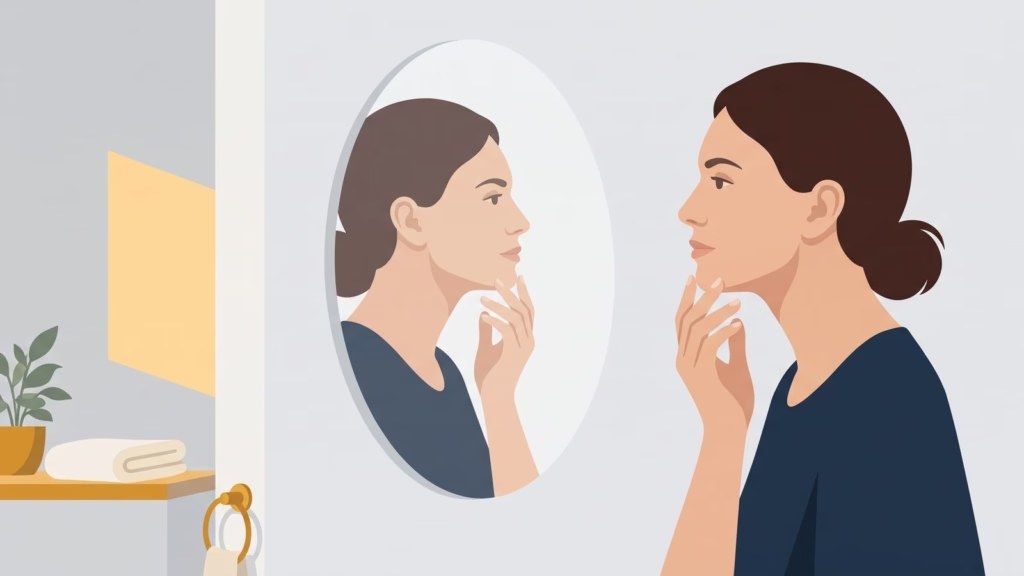
You pluck the same few coarse, dark hairs on your chin every morning, and they are back before you have finished explaining them away. You may have decided it runs in the family, and nobody has told you otherwise.
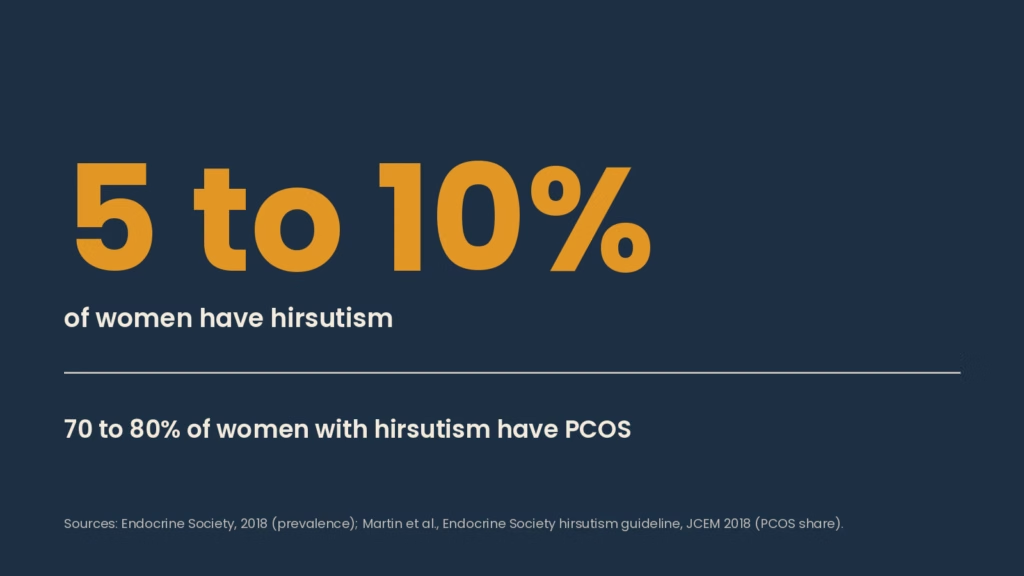
That is hirsutism: coarse, dark hair on a woman in a male pattern, driven by excess androgen activity at the hair follicle. It affects 5 to 10 percent of women. It is a symptom with a source, and finding the source is the part most women never get to.
I gave a two hour lecture on this to the American Electrology Association in Washington, DC, and you can watch the full lecture on YouTube.
What is hirsutism, and how is it different from hypertrichosis?
Hirsutism follows the male pattern: sideburns, chin, upper chest, upper abdomen and upper back. Hypertrichosis is diffuse hair all along the arms and legs and all over the trunk, and androgens have nothing to do with it.
Only one of the three kinds of hair follicle listens to androgens. Terminal hair is thick, dark and androgen dependent. Vellus, the peach fuzz we all have, ignores hormones.
Is facial hair in women always abnormal?
No. Normal depends on heritage, so the first thing I ask is what the other women in your family are experiencing. Women of Mediterranean and Middle Eastern descent grow the most terminal hair, and women of Southeast Asian descent the least. Normal for one is positive for the other.
The Ferriman-Gallwey score grades hair growth, but it was built on a white population, where normal is about 4 to 6. For Southeast Asian women anything above 3 is positive. The Endocrine Society guideline uses 8 or more for white and Black women in the US and UK, and says 70 to 80 percent of women with hirsutism have PCOS. We call that polymetabolic ovarian syndrome now, because the name should capture the metabolic dysfunction that comes with it.
A normal trait you dislike is a job for an electrologist. What sends a woman to me is change: periods that stop, a voice that deepens, hair that was controlled for years and suddenly is not.
What blood tests check for hirsutism?
The right test is blood drawn at 8 am, after seven days off biotin, with testosterone measured by equilibrium dialysis. The body follows a diurnal schedule, so a 3 pm sample is a different test from an 8 am one.
The panel adds FSH, LH, estradiol, DHEA-S and 17-hydroxyprogesterone, plus a dexamethasone suppression test if cortisol is in question, because a single morning cortisol does not diagnose excess cortisol.
A testosterone in the 200s or higher sends me looking for a tumor, while two points above normal with no deepening voice does not.
Why does hirsutism get missed?
Because the hair gets treated and the cause gets skipped. Hirsutism rarely exists in a vacuum, and the source can be an ovarian tumor, Cushing's disease, PCOS or, after menopause, hyperthecosis.
One woman came to me at 37 with chin hairs, then hair on her sideburns, chest and abdomen, and her periods had stopped, suddenly. Her total testosterone was 345, when a woman's upper limit sits in the 40s to 50s depending on the lab. The MRI showed an ovarian tumor, and it had taken her four months to get in to an endocrinologist.
Another came at 62 with a deepening voice and a goatee she shaved daily. Her testosterone was 362. With no mass on imaging, I think of hyperthecosis, where the ovary, because nature is cruel, starts producing testosterone on its own. She chose surgery to confirm it, and a month later her testosterone was 5.
Many women tell me the same thing first: nobody listened. What they hear instead is a vague label, and I asked the electrologists about it:
"You may hear people coming to you saying, 'I have a hormone imbalance. I need a full hormone panel.'”" (from the video)
I ask every woman about testosterone pellets before I chase a tumor.
What actually treats hirsutism?
Treatment has two halves: removing the hair that is already there, and stopping whatever keeps making more. On the second half, I told the room:
"Root cause. That's the practice of good medicine. Finding the source and fixing it." (from the video)
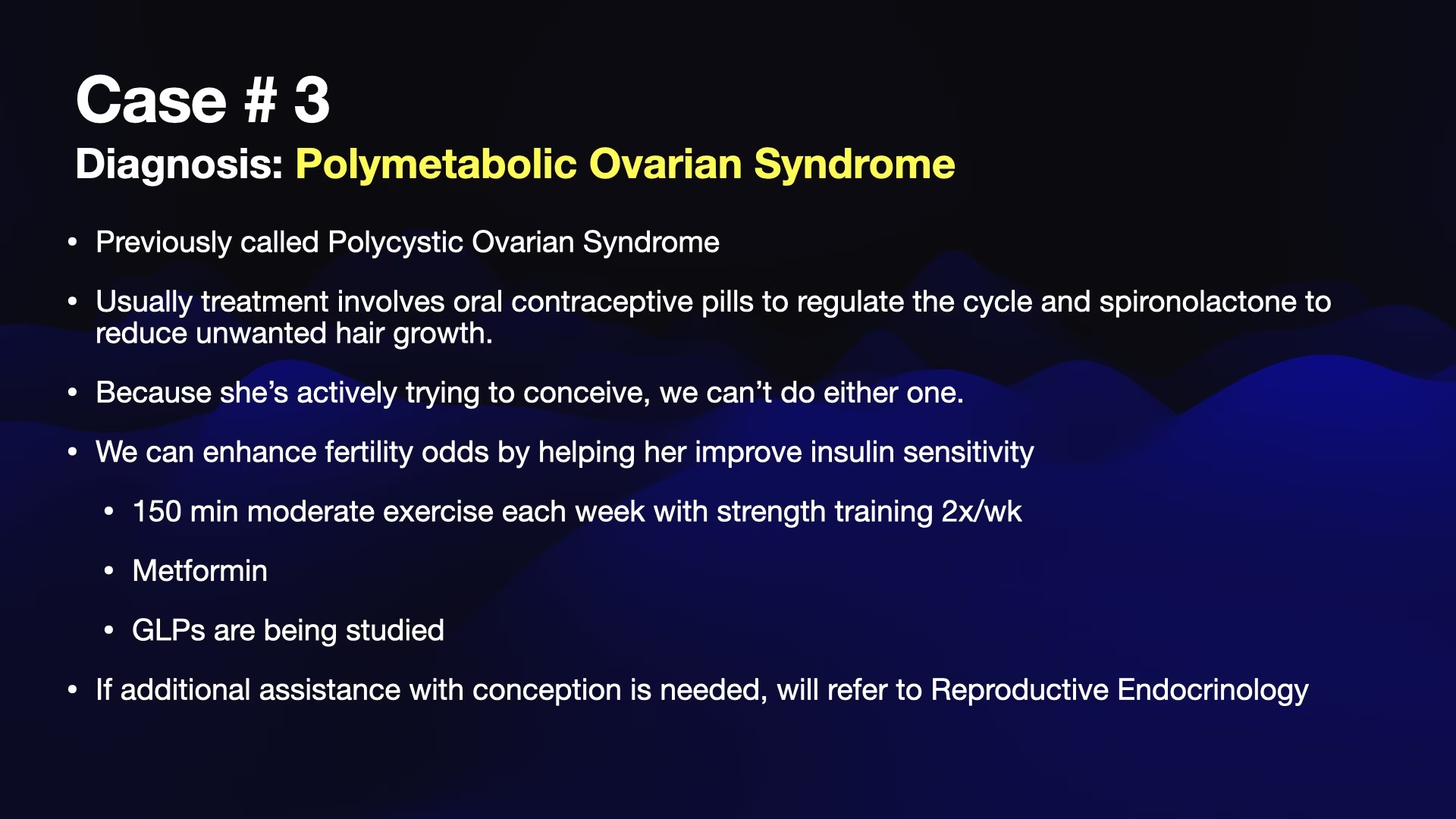
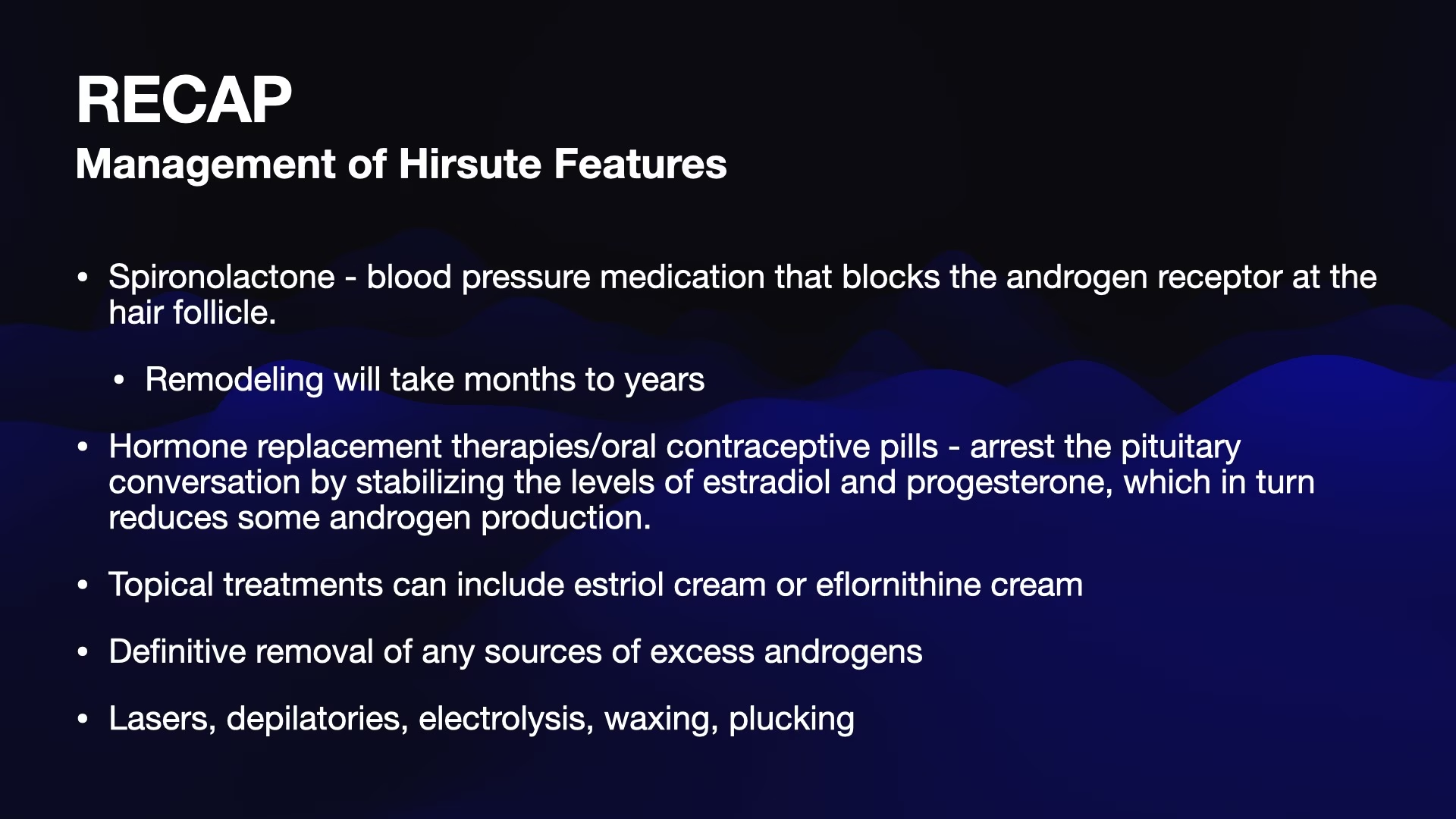
The endocrine half removes the source of excess androgens or blocks their effect at the follicle. If a tumor or an overactive gland is making them, it has to go. Otherwise there is spironolactone, an old blood pressure medicine that blocks the androgen receptor at the follicle. It takes six months to two years for the full effect of the top dose. I watch potassium, and it is a no-go for anyone trying to conceive.
A contraceptive pill with an androgen neutral or anti-androgen progestin also helps, and after menopause hormone replacement therapy does the same job.
The hair removal half is laser, electrolysis, waxing and plucking. They deal with terminal hairs already formed, and they do it well, but they do not touch the cause. Most women with true hirsutism need both halves.
The takeaway
Bring the story of when the hair changed and any labs you already have. Ask how and when your testosterone was drawn, because both change the answer. You do not need a referral to see an endocrinologist here. Then we stop the new hairs, and your electrologist or dermatologist takes care of the rest.
Frequently asked questions
Why was PCOS renamed polymetabolic ovarian syndrome?
The cysts on ultrasound are rare to actually see, so women without them were wrongly told they could not have it. The new name captures the metabolic dysfunction that comes with it.
Can a medication cause facial hair in women?
Yes. Some contraceptive pills and IUDs, steroid hormones, seizure medications and supplements can. Ask about testosterone gel in the household too, because a husband's gel can transfer skin to skin.
Why does a deepening voice matter with facial hair?
Doctors call it virilization, and it is what made one patient's case urgent. Together with stopped periods or rapid weight gain, it is a reason to see an endocrinologist soon.
Is spironolactone safe to take while trying to conceive?
No. If she wants a baby, the work is insulin sensitivity: 150 minutes of moderate exercise a week with strength training, and metformin.
How soon can I be seen?
New patients are usually seen within about two weeks, and a new consultation is an hour.
Watch the full video. Why Women Grow Facial Hair: Hirsutism, Full Lecture
Want someone to actually look? Book a visit with the Advanced Institute for Diabetes and Endocrinology: in person in Mansfield, Texas, for Dallas Fort Worth, or by video in Texas, Oklahoma, New Mexico, Colorado, California, Oregon and Washington. Call or text (817) 380-4880, or book at aidendo.com/contact.
Drop your questions in the YouTube comments. We read every one.
Last updated 16 November 2026. This article is general education, not medical advice.