At the Advanced Institute for Diabetes & Endocrinology (AIDENDO), Dr. Lindsey VanDyke, DO, FACOI, FEAA, is dedicated to providing clear, compassionate, and evidence-based guidance to patients managing complex conditions such as obesity. One procedure that has recently come under frequent discussion is panniculectomy, a surgery aimed at removing excess skin and fat from the lower abdomen, often following significant weight loss.
Dr. VanDyke explains,
“It’s come to my attention that there are some physicians recommending a surgery called panniculectomy for people with obesity, saying that it’s going to change their hormone signaling and all that stuff. And they’re not wrong about that.”
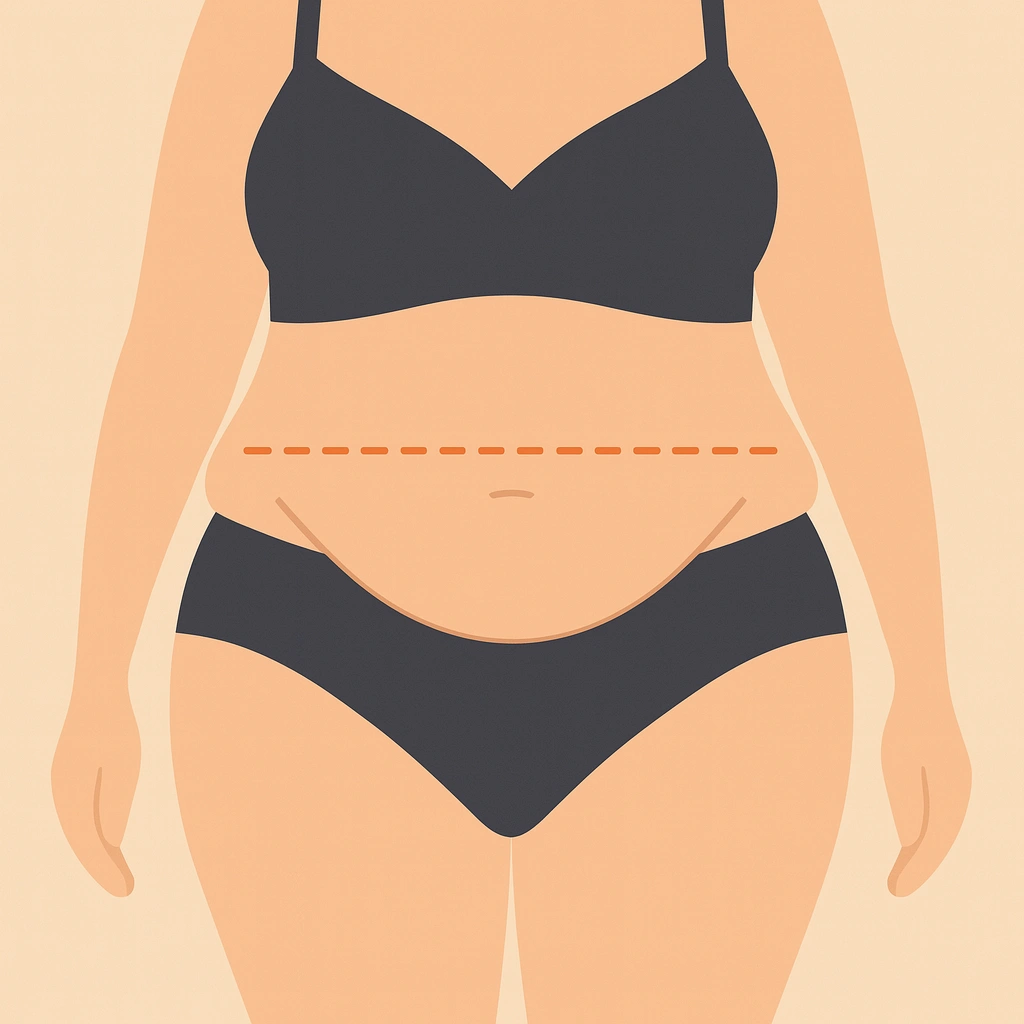
She acknowledges that removing the pannus, the apron of fat and skin hanging from the belly, can indeed affect metabolic function.
She elaborates,
“There’s a large fat mass in a pannus. When people lose a lot of weight, they’re kind of stuck with this thing, and it alters their silhouette.” This excess skin and fat can be uncomfortable and impact quality of life, which is why plastic surgeons perform panniculectomy to “clean all that up and tighten it.”
Fat tissue, as Dr. VanDyke highlights, is metabolically active and not inert.
“If you remove a large fat mass, you are going to change metabolic signaling, because fat cells are very active. They’re not just sitting there.”
This means that surgery does influence hormone and metabolic pathways to some extent.
However, Dr. VanDyke cautions patients to have realistic expectations.
“It is not this magical be-all, end-all for obesity management. When we talk about surgery for obesity, we’re primarily referring to bariatric techniques that reduce visceral fat—the dangerous fat around internal organs.”
This visceral fat is a key driver of metabolic disease and weight-related complications.
Unlike bariatric procedures, “a panniculectomy does absolutely nothing to address visceral fat,” she stresses. Patients should understand that “panniculectomy might be a tool to use as part of your obesity management, but it is not going to magically produce significant weight loss.”
It does not replicate the profound weight loss effects of gastric bypass or sleeve gastrectomy, where typical weight loss can be 35-40%.
At AIDENDO, Dr. VanDyke and her team approach this multifaceted health challenge with comprehensive care. “We combine cutting-edge medical expertise with compassionate whole-person care,” she shares. Their personalized treatment plans empower patients with conditions ranging from diabetes and thyroid disorders to obesity and hormonal imbalances.
Among the institute’s unique offerings are expert thyroid ablation procedures, advanced diabetes management including insulin pump optimization and continuous glucose monitoring, and customizable weight loss plans blending nutrition, medication, and metabolic science. Their comprehensive hormone care also addresses adrenal, pituitary, and bone health with precision.
Recognizing that time with care providers is precious, AIDENDO offers same-week appointments and transparent pricing. Patients can benefit from the convenience of expert telehealth visits available in seven states, ensuring access to personalized endocrinology care from home.
One patient testimonial sums up the transformative impact of this approach: “After years of fatigue, AIDENDO gave me my life back. My thyroid levels are finally normal!” — Sarah T., Mansfield
Through education, empathy, and science, Dr. VanDyke’s leadership at AIDENDO helps patients make informed decisions grounded in reality and tailored to their individual health needs. “Don’t rely on surgery alone,” she advises, “but use it as part of a broader, well-structured health plan.”
For those ready to take control of their health journey with a trusted expert by their side, AIDENDO invites you to schedule a consultation by calling (817) 380-4880 or booking online. Follow their social profiles for ongoing updates and expert insights.
- Instagram: @drvandykedo
- Facebook: DrVanDykeDO
- YouTube: DrVanDykeDO
With AIDENDO, expert endocrine care is accessible, compassionate, and always personalized.