
If you’ve ever wondered who’s actually treating you in a medical setting, you’re not alone, and that question could be the most important one for your health. In today’s healthcare landscape, understanding provider credentials is key to getting safe, expert medical care.
Medical titles: Not all “doctors” are equal
With so many types of clinicians using the title “doctor,” it’s essential to know the differences. Many professionals may be a Doctor of Pharmacy (PharmD), a nurse practitioner with a doctorate, or a naturopathic doctor (ND). But their training, expertise, and scope of practice can vary widely.
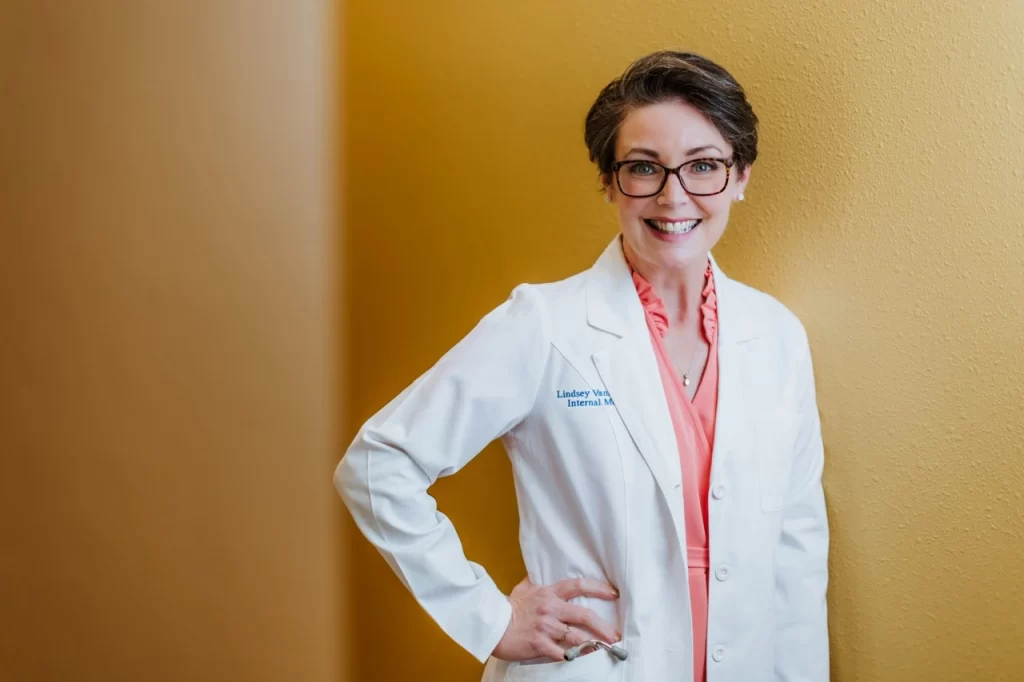
Direct from Dr. VanDyke:
“It’s very important that when you’re being treated by a medical professional, you know exactly who is treating you. Not everyone using the doctor title is qualified to diagnose and treat medical conditions.”
Why training and board certification protect your health
A board-certified physician, especially in a sub-specialty like endocrinology, has undergone rigorous training:
- Four years of medical school
- Three to seven years of residency (internal medicine)
- Fellowship training (two or more years in endocrinology, diabetes & metabolism)
- Passed specialty boards (such as internal medicine and endocrinology)
That adds up to nearly 20,000 hours of supervised training and clinical experience. Compare this to other doctorate-level clinicians, whose programs may be shorter or less focused on diagnosis and treatment.
“When you have an attending physician newly out of training, this doctor probably has about 20,000 hours of experience. That is not the same as a doctor of pharmacy or a doctorate in nurse practitioner.”
Patient safety: Why it’s OK to ask about your provider’s qualifications
Some non-physician clinicians, or even mid-level assistants, might present themselves as “doctor,” but may not have the authority or training to independently diagnose or treat complex medical conditions.
“Sometimes non-physicians, not even mid-level assistants, might be practicing medicine without a license, and this can be dangerous.”
You have the right and responsibility to ask every provider:
- “Are you a medical doctor (MD or DO)?”
- “What kind of doctor are you?”
- “How many hours and what type of clinical training did you complete?”
Even if someone gets defensive, remember: your health and safety are at stake.
Frequently asked: What’s the difference between MD, DO, PharmD, DNP, PA or ND?
- MD (Doctor of Medicine): Completed four years of medical school plus several years (often 3–7) of residency training and, if subspecialized, a fellowship. Licensed to diagnose, treat, and manage complex medical conditions.
- DO (Doctor of Osteopathic Medicine): Similar training as MDs but with added focus on whole-person care and manual techniques. Their scope of practice is equal to an MD.
- PharmD (Doctor of Pharmacy): Expert in medications, but not trained or licensed to diagnose and treat disease independently.
- NP (Nurse Practitioner): Advanced practice registered nurse; may have a doctorate (DNP) or master’s degree. Provides excellent care within scope, but training is far less extensive than a physician’s.
- ND (Naturopathic Doctor): Focuses on natural therapies; training programs vary widely, and licensing and scope of practice are restricted in most places.
Key difference: Physicians (MD/DO) have thousands of hours of clinical experience, passing multiple national board exams, and specialize in diagnosis and management of disease. Others may play important roles, but with much narrower, regulated scopes.
Why board certification matters in medical care
Board certification shows that a doctor has completed rigorous specialist training (such as endocrinology) and passed high-stakes exams.
“When you have an attending physician newly out of training, this doctor probably has about 15,000-20,000 hours of experience, depending on specialty. That is not the same as a doctor of pharmacy or a doctorate in nurse practitioner.”
Certified doctors stay updated on best practices and proven treatments. They’re held to the highest standards by national boards, giving you confidence that you’re in expert hands.
How to verify your doctor’s credentials
- You can ask your provider directly: “Are you an MD or DO? Are you board-certified? Where did you complete your training?”
- Look up credentials on state medical board websites or certification databases. Search for providers at certified hospital systems for added assurance.
- Don’t be afraid to check, your health and safety are deeply worth it.
Major risks: Dangers of unqualified medical care
Non-physicians sometimes diagnose or treat outside their training, risking missed diagnoses, medication errors, or complications that specialists would quickly detect.
“Sometimes non-physicians, might be practicing medicine without a license, and this can be dangerous.”
Always confirm your provider’s qualifications, especially for serious, chronic conditions, hormonal therapy, or complex problems.
How patients can get safe, personalized care
- Ask about training, licensing, and expertise.
- See board-certified specialists for endocrine, hormone, or chronic conditions.
- Choose practices where you feel heard, caring medicine takes time and partnership.
- Don’t settle for cookie-cutter or rushed visits. Invest in thorough, individualized care.
Ready for expert, personalized endocrine and diabetes care?
Your health and your time are your most important investments.
I offer telehealth visits for thyroid, hormone, and metabolic care across TX, OK, CO, WA, CA, NM, and OR, so you get board-certified expertise, clear diagnosis, and answers tailored just for you, without the wait.
Book a telehealth visit today and experience medical care that truly listens, educates, and empowers. Your health deserves nothing less.